Exploring the rich history of gambling through the ages
The Origins of Gambling
The history of gambling dates back to ancient civilizations, where games of chance emerged as integral parts of cultural and social life. The earliest evidence of gambling can be traced to the ancient Chinese, where tiles used for a rudimentary game of chance were discovered dating back to around 2300 BC. Similarly, the Romans utilized dice games for entertainment, often played during festivities or in taverns. These early forms of gambling laid the foundation for what would evolve into modern gaming practices. Today, you can discover the latest online casinos in Australia on our site, https://new-online-casinos-in-australia.com/, which helps players make informed choices.
In addition to China and Rome, gambling also had significant roots in ancient Greece, where it was associated with the gods. The Greeks played various games of chance, often linked to athletic competitions and festivals. Their reverence for luck and chance can be seen in the philosophical writings of the time, emphasizing the unpredictability of fate. This interplay between chance and human experience established a cultural acceptance of gambling that would reverberate through history.
As societies evolved, so did gambling practices. The Middle Ages saw the advent of card games in Europe, which originated from earlier games played in the East. The introduction of playing cards, likely from China or India, added a new layer of complexity and strategy to gambling, appealing to different demographics. This transition marked the beginning of gambling as a structured activity, leading to the formalization of rules and the establishment of casinos in the following centuries.
The Rise of Casinos
The modern casino as we know it began to take shape in the 17th century, particularly in Italy, where the first official gambling houses emerged. Known as ‘ridotti,’ these venues provided a space for nobles and the wealthy to indulge in games of chance, often accompanied by music and dance. This exclusivity created an allure that drew in patrons, fostering a vibrant gambling culture. The concept of casinos soon spread throughout Europe, influencing the gambling landscape dramatically.
By the 19th century, the casino model was further refined with the establishment of the famous Monte Carlo Casino in Monaco. This iconic venue attracted the elite from across the globe, solidifying the connection between wealth, luxury, and gambling. The success of casinos in Europe influenced the development of gambling establishments in America, leading to the establishment of gaming hubs in cities like New Orleans and later, Las Vegas, where the casino culture exploded in the mid-20th century.
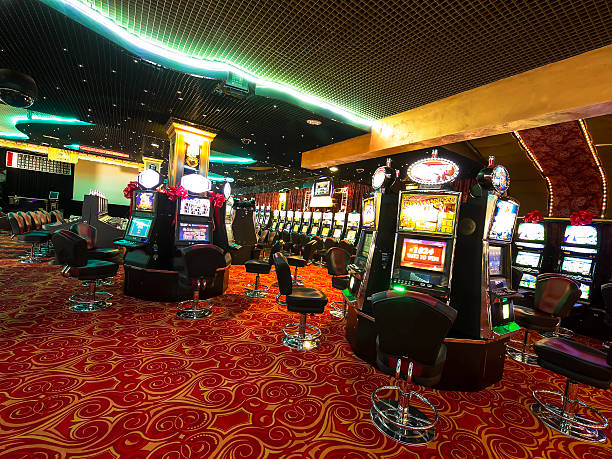
As casinos became more prominent, they evolved beyond mere gambling halls. They transformed into entertainment complexes offering a variety of attractions, including shows, dining, and nightlife. This multifaceted approach not only enhanced the gambling experience but also contributed to the normalization and acceptance of gambling in mainstream culture, turning casinos into cultural landmarks across the globe.
The Psychological Aspects of Gambling
The psychology of gambling is a complex interplay of human behavior, emotion, and cognition. Researchers have long studied why individuals are drawn to gambling, with theories ranging from the thrill of risk-taking to the allure of potential rewards. The excitement derived from games of chance activates the brain’s reward system, releasing dopamine, which reinforces the behavior. This neurological response can lead to both responsible gambling and problematic gambling, highlighting the need for a better understanding of these psychological dynamics.
Additionally, the concept of variable reinforcement plays a significant role in gambling psychology. Unlike activities that yield consistent rewards, gambling outcomes are unpredictable, creating a unique psychological challenge. This unpredictability can lead to a stronger attachment to the activity, as the anticipation of a win outweighs the losses experienced. The emotional rollercoaster of winning and losing can create a cycle of continued play, making it difficult for some individuals to walk away.
Understanding the psychological factors at play in gambling has significant implications for responsible gaming practices. As the gambling landscape evolves, initiatives to promote safer gambling habits are crucial. These strategies include self-exclusion programs and awareness campaigns that educate players about the potential risks associated with gambling. Recognizing the psychological elements involved can empower individuals to make informed decisions and engage in gambling activities responsibly.
Online Gambling: A New Frontier
The advent of the internet revolutionized the gambling industry, paving the way for online casinos that have become immensely popular in recent years. With the convenience of accessing games from home, online gambling platforms have attracted a diverse audience, transforming the way people engage with games of chance. This accessibility has contributed to the exponential growth of the online gambling market, offering an array of games that cater to various preferences.
Online casinos employ innovative technology to enhance user experience, incorporating live dealer games that simulate the atmosphere of traditional casinos. These developments allow players to interact in real-time, bridging the gap between digital and physical gaming experiences. Additionally, online platforms often provide enticing bonuses and promotions, enticing new players while encouraging existing players to continue participating in their offerings.
However, the rise of online gambling also raises concerns regarding safety and responsible gaming practices. With the lack of physical oversight present in traditional casinos, players may be more susceptible to gambling-related risks. As a result, online casinos are implementing measures to promote responsible gaming, including tools for tracking playtime and setting deposit limits. As this sector continues to evolve, ensuring a safe gambling environment remains a priority for both operators and regulators.
Conclusion: The Future of Gambling
The rich history of gambling demonstrates its enduring appeal and the intricate relationships between culture, psychology, and technology. From ancient games of chance to the lavish casinos of today, gambling has evolved significantly, reflecting societal changes and technological advancements. As we move forward, the gambling landscape will likely continue to adapt, particularly with the integration of virtual reality and artificial intelligence in gaming experiences.
As the industry grows, it is essential for players to approach gambling with a sense of awareness and responsibility. Understanding the psychological underpinnings of gambling can help individuals enjoy the activity without falling prey to its potential dangers. Through continued education and engagement with responsible gaming practices, players can navigate the complex world of gambling while enjoying its many offerings.
As you explore the diverse options available, whether in physical casinos or online platforms, remember to prioritize your gaming experience. By staying informed about safe gambling practices, you can ensure that your journey through the world of gambling is both enjoyable and responsible, making the most of this rich historical pastime.